New on the Journal: A for Adventure. Why everyday adventure matters.
Play ideas

Easy play ideas for the early years

Simple, low-cost adventures for nursery, preschool, Reception and home. Each one explains what you need, what to do and why it matters.

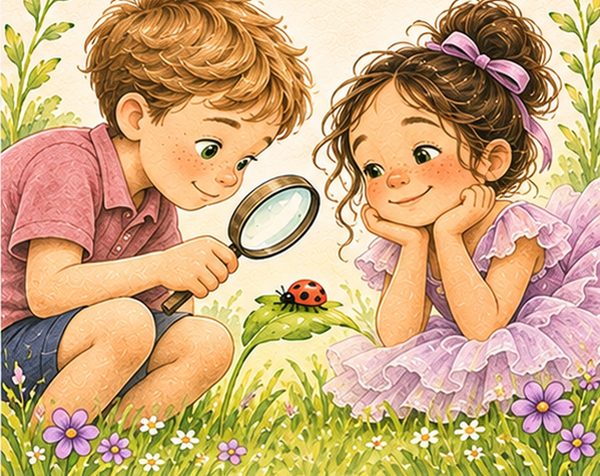
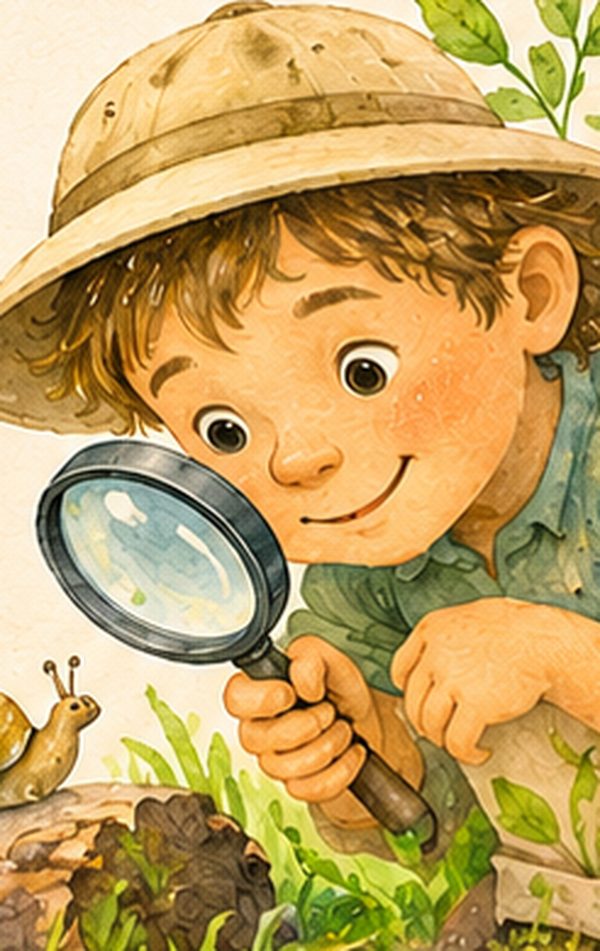
Go on a minibeast hunt
3–5 years · 20–40 minutes

Go on a minibeast hunt

What do you need?

  • Magnifying glasses
  • Clipboards or paper
  • A tray or pot
  • Somewhere with logs or stones

How do you do it?

  1. Talk about where small creatures like to hide: under logs, stones and leaves.
  2. Lift things gently, look closely and put everything back where it was.
  3. Count legs, describe colours and draw what you find.
  4. Back inside, ask: which creature surprised you most?

Why it matters: Minibeast hunts build curiosity, careful handling, early maths and a huge amount of new vocabulary. Children also learn to care for living things.

Want a printable to go with it? See the Minibeast Hunt Pack.

Turn a walk into a treasure hunt
2–5 years · 15–30 minutes

Turn a walk into a treasure hunt

What do you need?

  • A short list of things to find
  • A bag or basket
  • Comfortable shoes

How do you do it?

  1. Before you go, choose five things to look for: a feather, something red, a round stone.
  2. Let children lead the way and spot the treasures.
  3. Talk about where each find came from.
  4. Make a treasure display when you get back.

Why it matters: An ordinary walk becomes an adventure. Children practise noticing, describing and remembering, and every walk feels new.

Want a printable to go with it? See the Explorer Bag Checklist (free).

Build a den together
3–5 years · 30–60 minutes

Build a den together

What do you need?

  • Old sheets or blankets
  • Pegs and string
  • Crates, chairs or sticks
  • Cushions and a torch

How do you do it?

  1. Ask children where the den should go and what it needs.
  2. Build together and let children solve the tricky parts.
  3. Move in: read, snack or tell stories inside.
  4. Talk about what worked and what they would change.

Why it matters: Den building combines teamwork, planning and problem solving with a cosy space children feel ownership of.

Want a printable to go with it? See the Den Building Prompt Cards (free).

Look closely at tiny things
2–5 years · 10–20 minutes

Look closely at tiny things

What do you need?

  • A magnifying glass
  • Leaves, petals, shells or bark

How do you do it?

  1. Choose one tiny thing to look at together.
  2. Ask: what can you see now that you could not see before?
  3. Add words: rough, smooth, spotty, stripy, shiny.
  4. Draw it big.

Why it matters: Slow, close looking builds attention, language and a sense of wonder about the natural world.

2–5 years · 15–45 minutes

Become puddle and weather explorers

What do you need?

  • Wellies and waterproofs
  • Sticks, boats or leaves
  • A tape measure

How do you do it?

  1. Head out after rain and find the biggest puddle.
  2. Float leaves and sticks: which ones sink?
  3. Measure the puddle today and check again tomorrow.
  4. Talk about where the water goes.

Why it matters: Every kind of weather is an invitation to explore. Children learn about change, measure, predict and move their bodies.

Want a printable to go with it? See the Weather Watchers Pack.

3–5 years · 15–30 minutes

Play with shadows

What do you need?

  • A sunny day or a torch
  • Chalk
  • Small toys

How do you do it?

  1. Find your shadows outside and make them move.
  2. Draw around each other's shadows with chalk.
  3. Come back later: has the shadow moved?
  4. Inside, make shadow puppets with a torch.

Why it matters: Shadows spark questions about light, time and size, and they turn science into a game.

2–5 years · Any time

Create with loose parts

What do you need?

  • Conkers, pebbles, shells or buttons
  • A tray or mat

How do you do it?

  1. Offer a small collection of natural loose parts.
  2. Watch first: let children decide what to make.
  3. Join in by copying their patterns.
  4. Take a photo before tidying away.

Why it matters: Loose parts have no right answer, so children sort, pattern, count and create freely.

Want a printable to go with it? See the Loose Parts Pattern Mats (free).

Sit outside and wonder
2–5 years · 5–10 minutes

Sit outside and wonder

What do you need?

  • A blanket or a log to sit on
  • Nothing else

How do you do it?

  1. Find a quiet spot and sit together.
  2. Listen: how many sounds can you hear?
  3. Look up at the clouds. What shapes can you see?
  4. Ask: what are you wondering about?

Why it matters: Quiet moments outdoors help children settle, notice and ask big questions. Wonder is where learning starts.